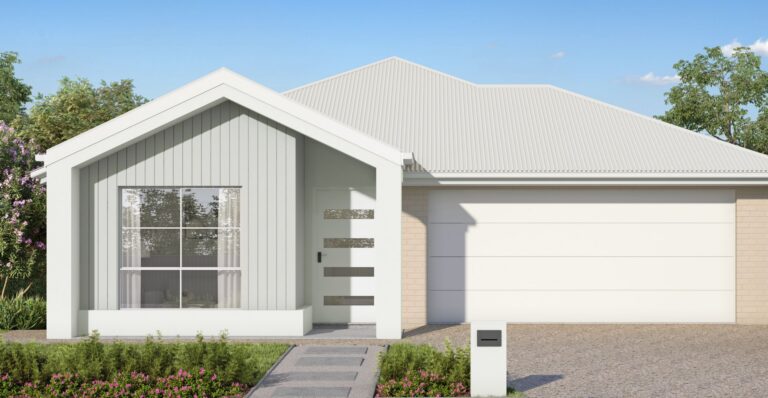
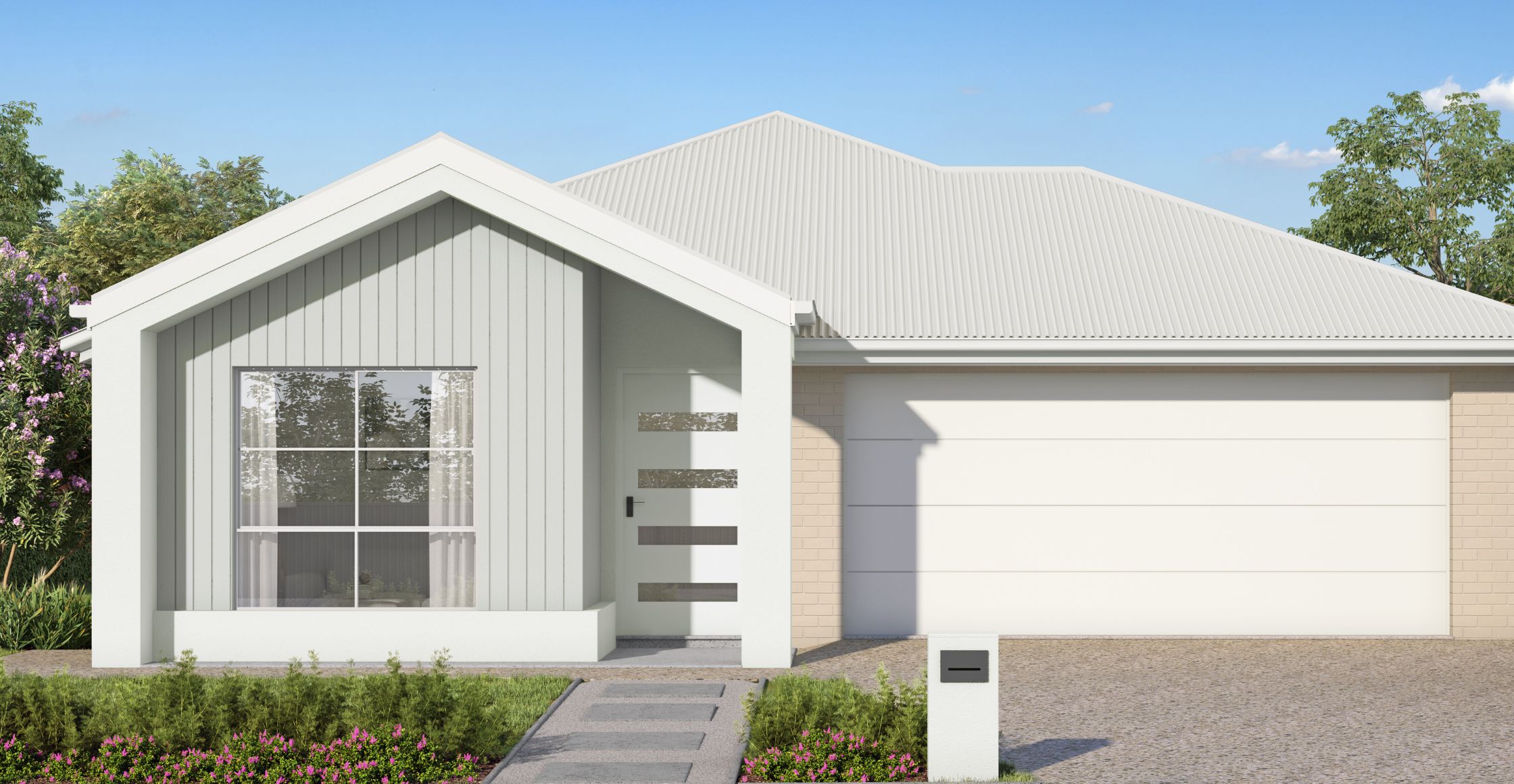
When a client asks whether a property is a good investment, “the yield looks great” is rarely the end of the conversation. There’s the purchase price, borrowing capacity, holding costs, tenant demand and the small matter of whether the numbers still make sense once the property is built and leased.
That’s why co-living is coming up in more conversations between investors and their brokers, buyer’s agents and financial advisors. It offers a different way to think about rental income and property design, provided the opportunity stacks up for the client and the location.
First, What is Co-Living?
Think of it as a home designed for people who are happy to share a kitchen and lounge space, but would rather keep their bathroom to themselves.
In an ALC Projects Co-Living home, each resident has a private bedroom, ensuite and study space, while sharing larger kitchen and living areas. The layout aims to give residents the privacy they need without losing the social and practical benefits of a shared home.
For investors, the design also opens up different leasing options. Depending on the property and the advice of a local property manager, rooms may be leased individually, the home may be leased under a single agreement or a mixed arrangement.
One Property, Multiple Potential Income Streams
A traditional investment property usually brings in one weekly rental payment from one household. With individual room leases, a co-living property can generate income from several residents within the same home.
That gives investors the opportunity to make more of the property’s rental potential. It also means that if one resident moves out, the occupied rooms can continue bringing in rent while a new tenant is found. For the right property in the right location, it’s a flexible approach that can make the numbers particularly interesting.
What About the Returns?
This is where co-living can become particularly interesting for investors. By creating several well-designed private spaces within one property, it may generate more rental income than a comparable traditional lease.
ALC Projects’ Co-Living projections typically indicate approximately $75-$100 more per room, per week, with potential yields of 6–8% or more, depending on the property, location and leasing strategy. Across multiple rooms, that additional income can make a meaningful difference to an investor’s overall return.
For advisors, it opens up a valuable conversation with clients who want their property to work harder for them. The next step is to look at the complete picture, including build and fit-out costs, local rental demand, expected occupancy and management expenses, to see how the opportunity aligns with the client’s goals.
New Build Advantages
Because ALC’s Co-Living opportunities are newly built, eligible investors may also be able to claim capital works deductions on construction costs and depreciation deductions on eligible new assets, such as appliances and other fixtures or fittings.
That distinction matters when comparing a new build with an established property. Under current Australian tax rules, most investors cannot claim depreciation on second-hand assets already in a residential rental property. A new build gives advisors another benefit to explore alongside its rental potential, with a depreciation schedule helping the client’s accountant identify the deductions that may apply.
It’s one more way a well-planned property could work for the investor over time. As always, the client’s tax adviser should confirm what they can claim based on the finished property and their circumstances.
A Leasing Strategy That Fits the Investor
One of co-living’s strengths is that there is more than one way to lease it. ALC’s model supports a single lease, individual room agreements or a mixed-term approach, giving advisors room to match the strategy to a client’s income goals and preferred level of management.
That flexibility is built into the home from the start. Private spaces give residents somewhere to call their own, while the shared areas bring the household together. With ALC’s property and community management options, clients can also get support with the day-to-day running of the home. The aim is a leasing approach that works for the investor and for the people living there.
Designed to Make Every Room Count
The opportunity starts well before the first tenant moves in. ALC’s Co-Living homes are purpose-built with private ensuites, study nooks and split-system air-conditioning in each room, alongside shared living areas designed for comfort and connection. Optional furniture packs can help get the home ready for its intended leasing approach.
The running costs deserve attention, too. Co-living owners generally cover expenses such as power, water and internet, so ALC includes solar and energy-efficient appliances in its designs to help manage those costs. For advisors, these details make it easier to assess the property as a complete investment: how it will appeal to residents, how it can be leased and what it may cost to operate.
The right site and local demand still matter. ALC’s feasibility work helps determine whether the design makes sense for a particular block and whether co-living is a strong fit for the client’s objectives.
Where ALC Projects comes in
ALC Projects helps brokers, buyer’s agents and financial advisors work through those questions before presenting a Co-Living opportunity to a client. That includes feasibility, due diligence, investment modelling, design considerations and coordination with trusted builders.
An optional turnkey fit-out can also be considered as part of the plan, helping prepare the finished property for its intended leasing strategy. The aim is to give advisors a clear view of both the opportunity and the assumptions behind it, so they can have a more informed conversation with their client.
Is Co-Living Worth Raising with Your Client?
For the right investor, ALC’s Co-Living model could offer a way to make more considered use of a property’s rental potential. For another, a conventional investment may be the better fit. Good advice starts with knowing which conversation to have.
Have a client who may be suited to a new Co-Living package? Speak with the ALC Projects team to explore the available options.